
• Moon

Luna: A New Training Ground for European Astronauts

Published on 21 November 2024

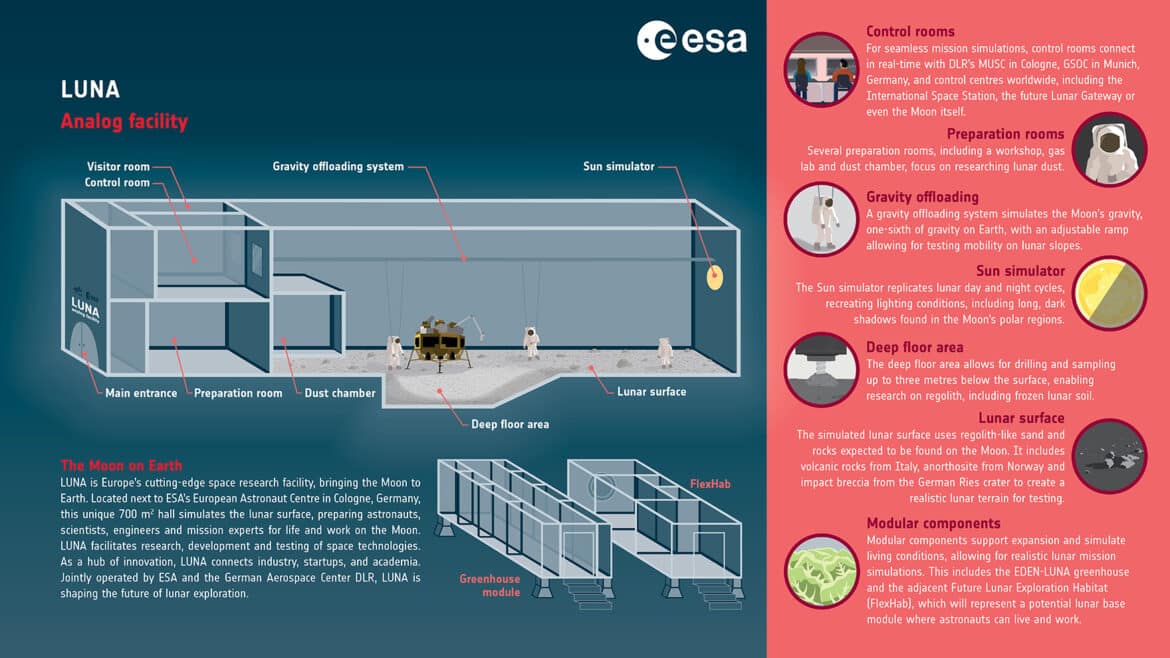
To prepare for future lunar missions in which European astronauts are involved, ESA has just inaugurated LUNA. This 700 m² space simulates all the characteristics of the Moon to better prepare for it.

Luna: A New Training Ground for European Astronauts

Mankind will return to the Moon. Unlike the Apollo program, the Artemis program is the result of international cooperation. Europeans, as well as Japanese and Canadians, are working with NASA and will take part in this adventure. To prepare for this, the European Space Agency has just inaugurated LUNA. This hangar located in Cologne, Germany, near ESA’s European Astronaut Centre reproduces all the characteristics of the Moon and should allow Europeans to better prepare for their future missions.

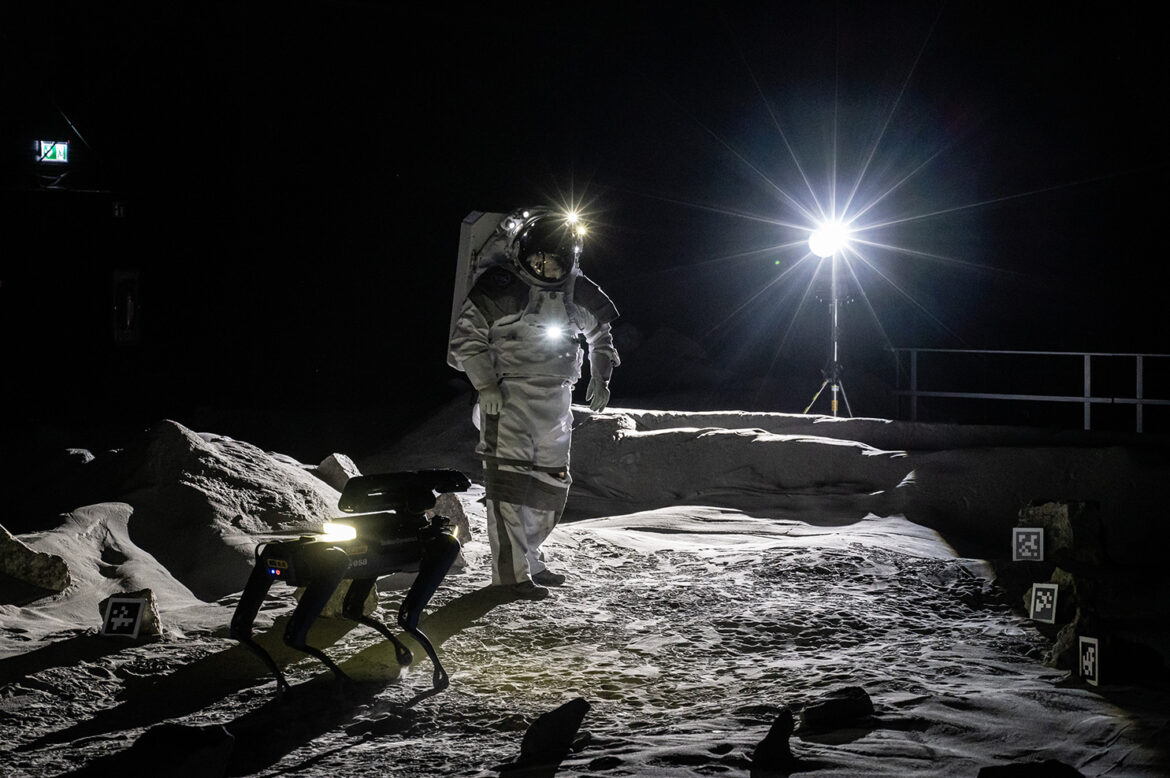
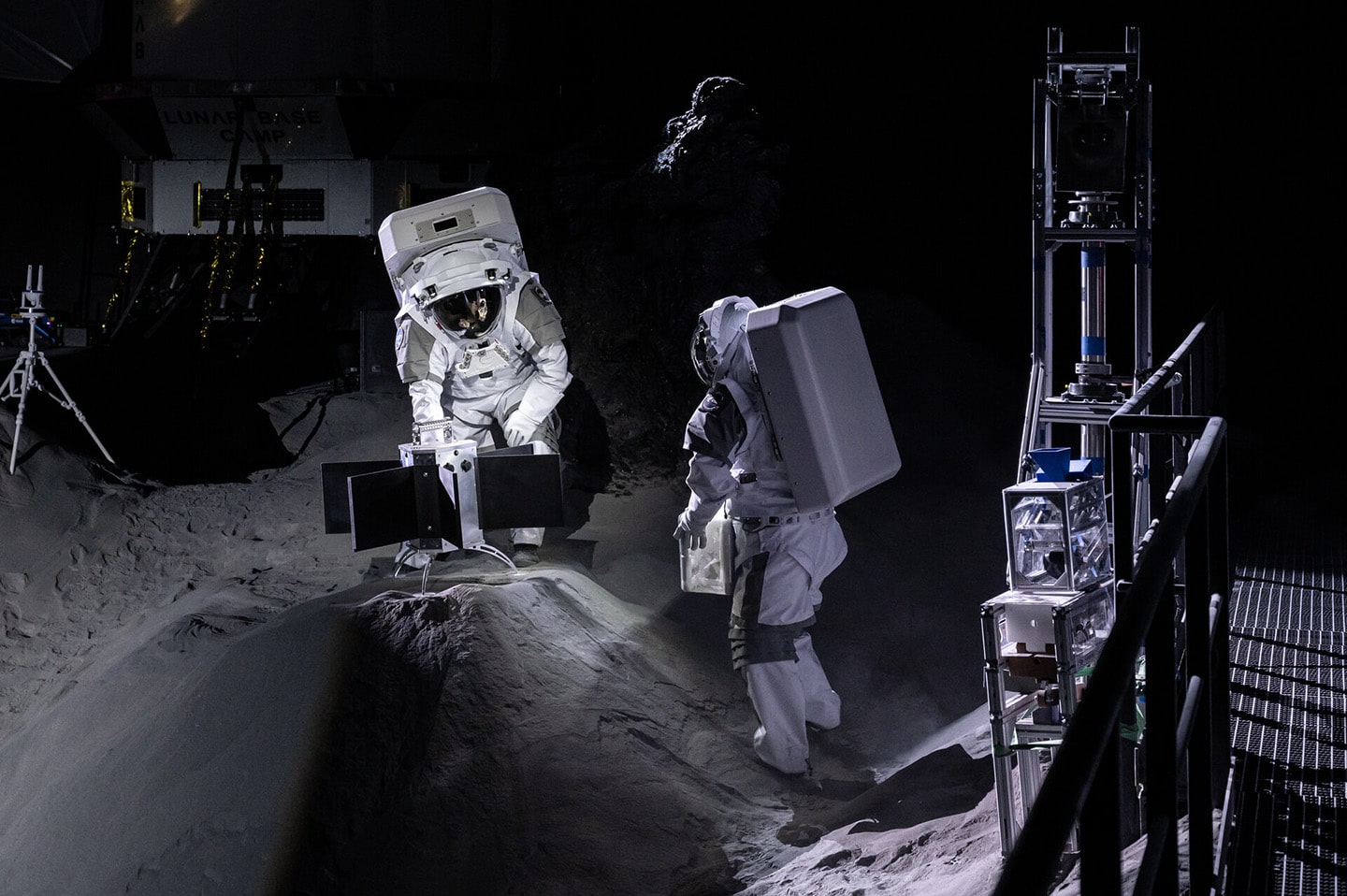
900 tons of dust, which reproduces the characteristics of lunar regolith, form the floor of the Luna training hangar.

©ESA

A Training Ground of 700 m²

Training is essential before any mission

Lorsqu’ils When they have completed their initial training, which lasts about a year, the European astronauts are assigned to a mission. This is the case for  Sophie Adenot who, since she was selected to go to the International Space Station in 2026, has been training in Houston. This mission-specific training usually lasts a year and a half. For lunar missions, astronauts will also have to train to prepare each of their experiments, know perfectly how their spacesuit and their equipment work on the ground and in flight. This is the whole point of a training ground like Luna. It will prepare European astronauts for their missions. This 700 m² hangar will allow them to simulate lunar missions, work with ground teams and adapt to the lunar environment. Finally, the facility will make it possible to test space technologies under realistic conditions, in particular robotics, artificial intelligence, the use of local resources and energy production systems.
The Moon on Earth

The facilities simulate as closely as possible the conditions that astronauts will find on the Moon

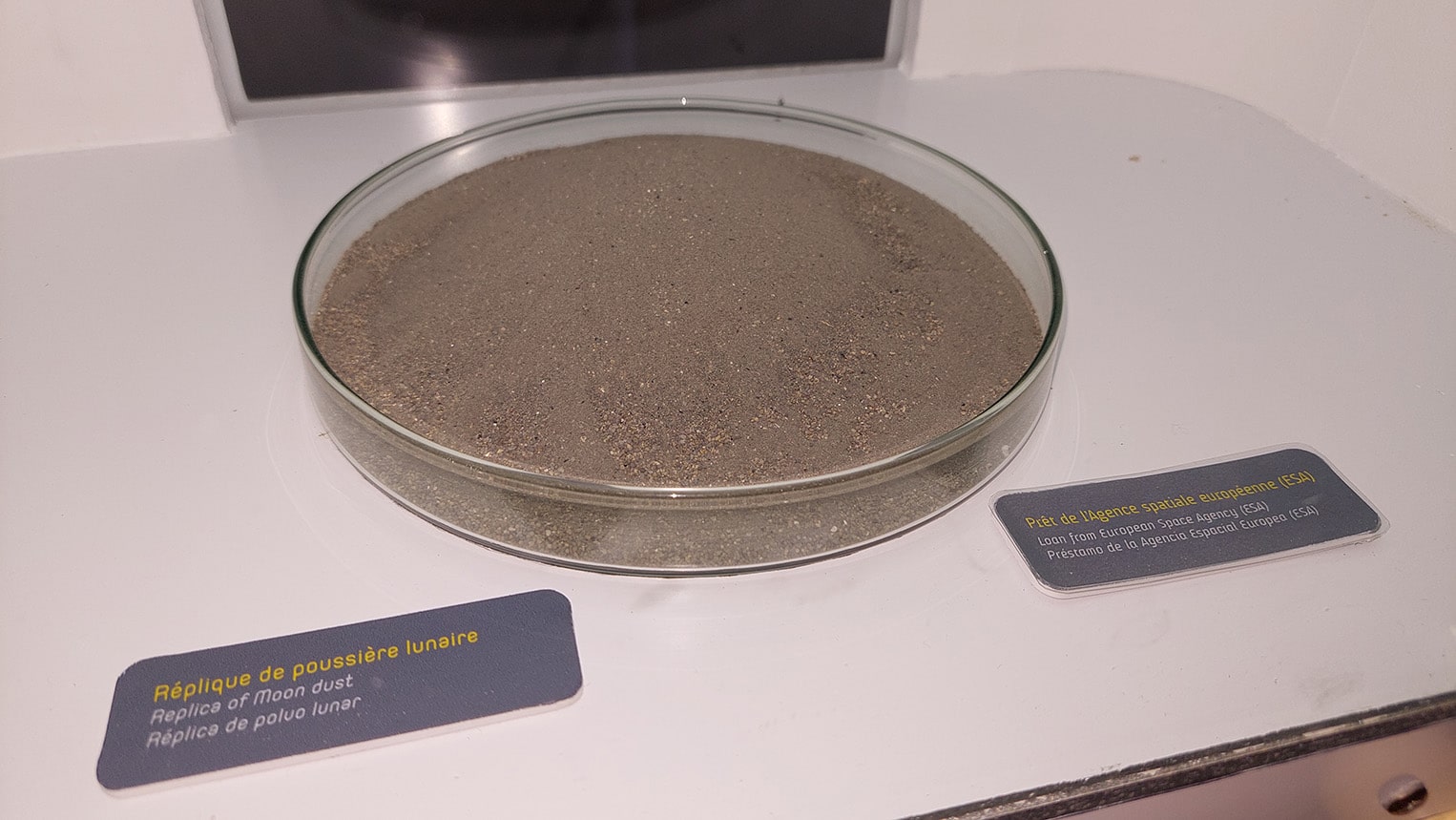
In order to reproduce a lunar environment, the Luna hangar was first covered with 900 tons of dust. Composed of basaltic grains and volcanic rocks, this dust imitates the physical and chemical properties of lunar regolith. This regolith covers a large part of the surface of the Moon. Many projects are considering its  use to ensure the long-term settlement of astronauts on the Moon. It is also a major drawback to consider before any lunar exploration. Very fine and sharp, the members of the Apollo crews realised that it gets everywhere. At Cité de l’espace, in the  exhibition Moon: Episode II, a showcase displays a sample of this lunar dust reproduced by the European Space Agency.

The Deep Zone

Pour To understand the internal structure of the Moon, astronauts will have to carry out deep drilling. A specific area is designed to prepare for these missions. It makes it possible to take samples from up to three metres deep under the surface of the regolith simulator. Finally, a specialised lighting system reproduces the day and night cycles on the Moon, and simulates the variable sunshine and shadow conditions encountered on the lunar surface. In particular, it can reproduce the difficult lighting conditions of the South Pole, targeted by the Artemis program missions.

In a display case in the Moon: Episode 2 exhibition, at Cité de l’espace, visitors can see what regolith looks like.

© CIté de l’espace 

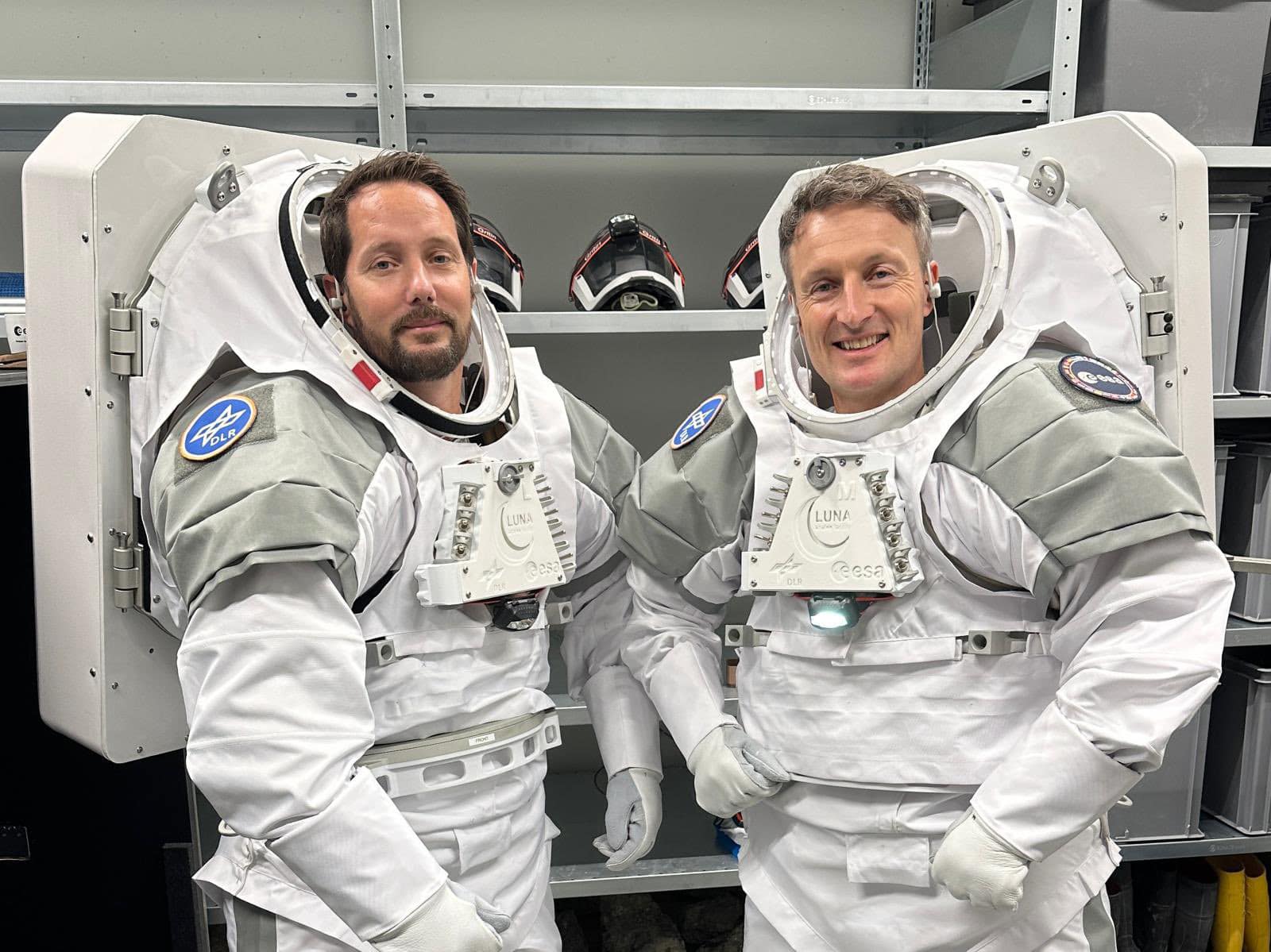
At the inauguration of this 700 m² space, Thomas Pesquet and Matthias Maurer, both members of the 2009 ESA astronaut selection, carried out their first training exercise. It is their generation that hopes to carry out the first missions to the Moon with Europeans on board.

©ESA

Europeans on the Moon Soon?

Three Europeans will orbit the Moon and afterwards?

Unlike the 100% American Apollo program, the Artemis program is international. JAXA, the Japanese space agency, is taking part. NASA announced in April 2024 that the first non-American to walk on the Moon as part of the Artemis program would be Japanese. As part of agreements with the Canadian space agency, astronaut Jeremy Hansen will be part of the crew of the Artemis II mission and will be the first non-American to orbit the Moon. ESA is also part of this program. It has designed the Orion capsule service module. As such, Europe has taken three places for Europeans around the Moon. They should board  the future Lunar Station Gateway, which will soon be placed in orbit around the Moon. It is the 2009 promotion, that of Thomas Pesquet that is expected to carry out these missions. To aspire to a European treading on the lunar surface, the Space Agency will have to continue to participate in the program. This participation could take the form of refuelling cargo ships, new modules for the Gateway station or lunar vehicles or habitats, for example. At Cité de l’espace,  the immersive experience, LuneXplorer allows you to understand the issues of this return to the Moon and to experience and feel a take-off and a moon landing.

Related articles