

• Astronomy
  • Moon

A “Second Moon” for Two Months

Published on 27 September 2024

Until November 25, a small asteroid barely 11m wide called 2024 PT5 will be captured by the gravitational pull of the Earth. A temporary second moon that will not perform a full orbit.

A “Second Moon” for Two Months

It’s a very small piece of the Solar System causing a lot of talk. As of September 29, the small asteroid 2024 PT5 will orbit the Earth. It will stay two months under the gravitational pull of our planet before leaving; a temporary second moon that unfortunately we will not be able to distinguish with the naked eye.

Where Did this Asteroid Come From?

Asteroid 2024 PT5 will arrive from the Arjuna belt

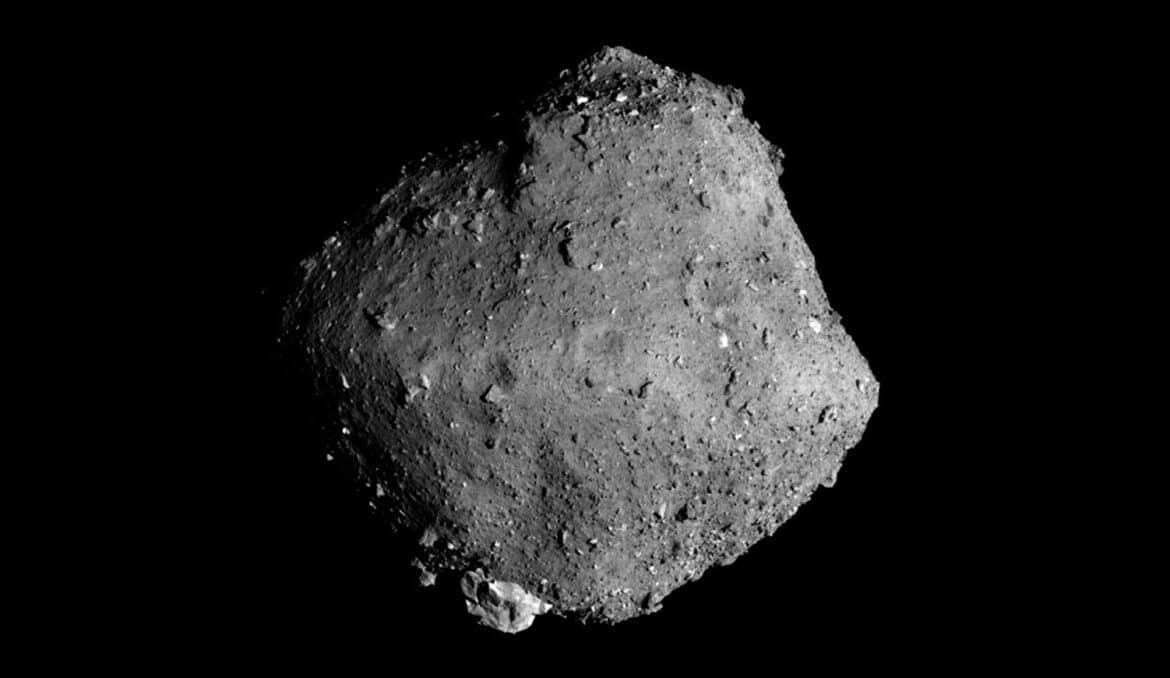
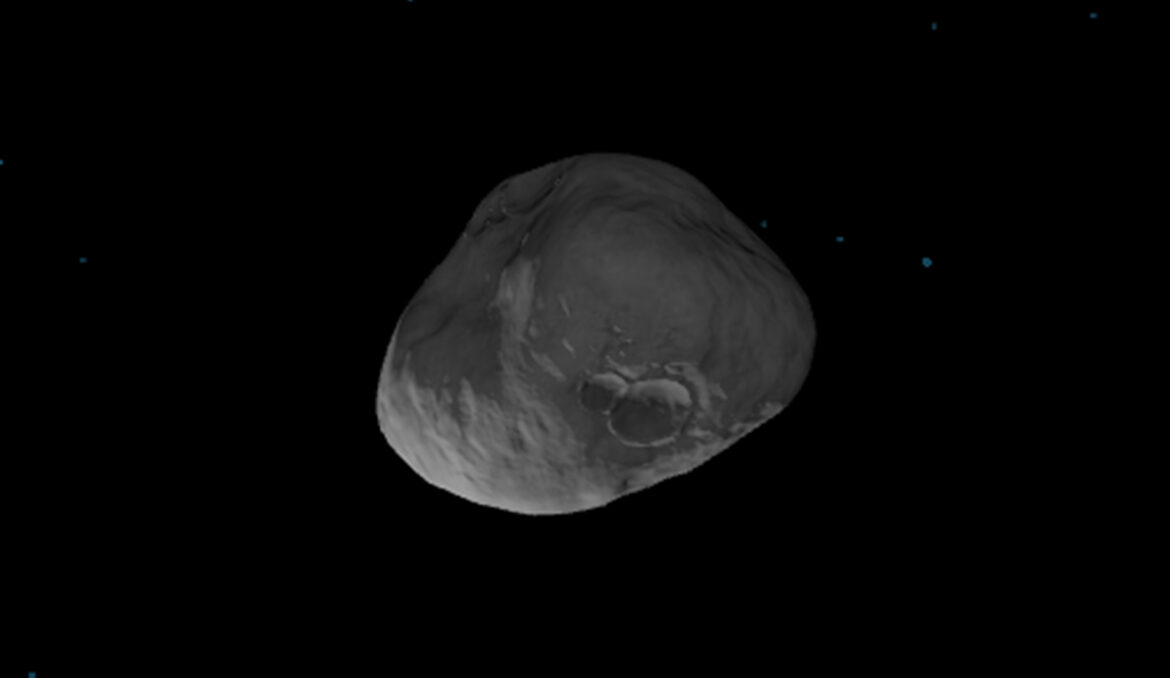
The Earth is not entirely alone in its orbit. Small asteroids follow an orbit close to 150 million kilometres from the Sun and follow the Earth. This is called the Arjuna belt. These objects have an orbital period close to one Earth year. That’s where this little asteroid comes from. 2024 PT5 is only eleven metres long. Like the comet Tsunchinshan-ATLAS, which reached its perihelion on September 27, it was spotted by the ATLAS system located in South Africa, at the Sutherland Observatory. This discovery is very recent, the asteroid only being seen and identified on August 7.

The small object was spotted by the ATLAS system installed in South Africa. They already identified the Tsuchinshan-ATLAS comet that could be visible in the northern hemisphere from October 9.

© NASA

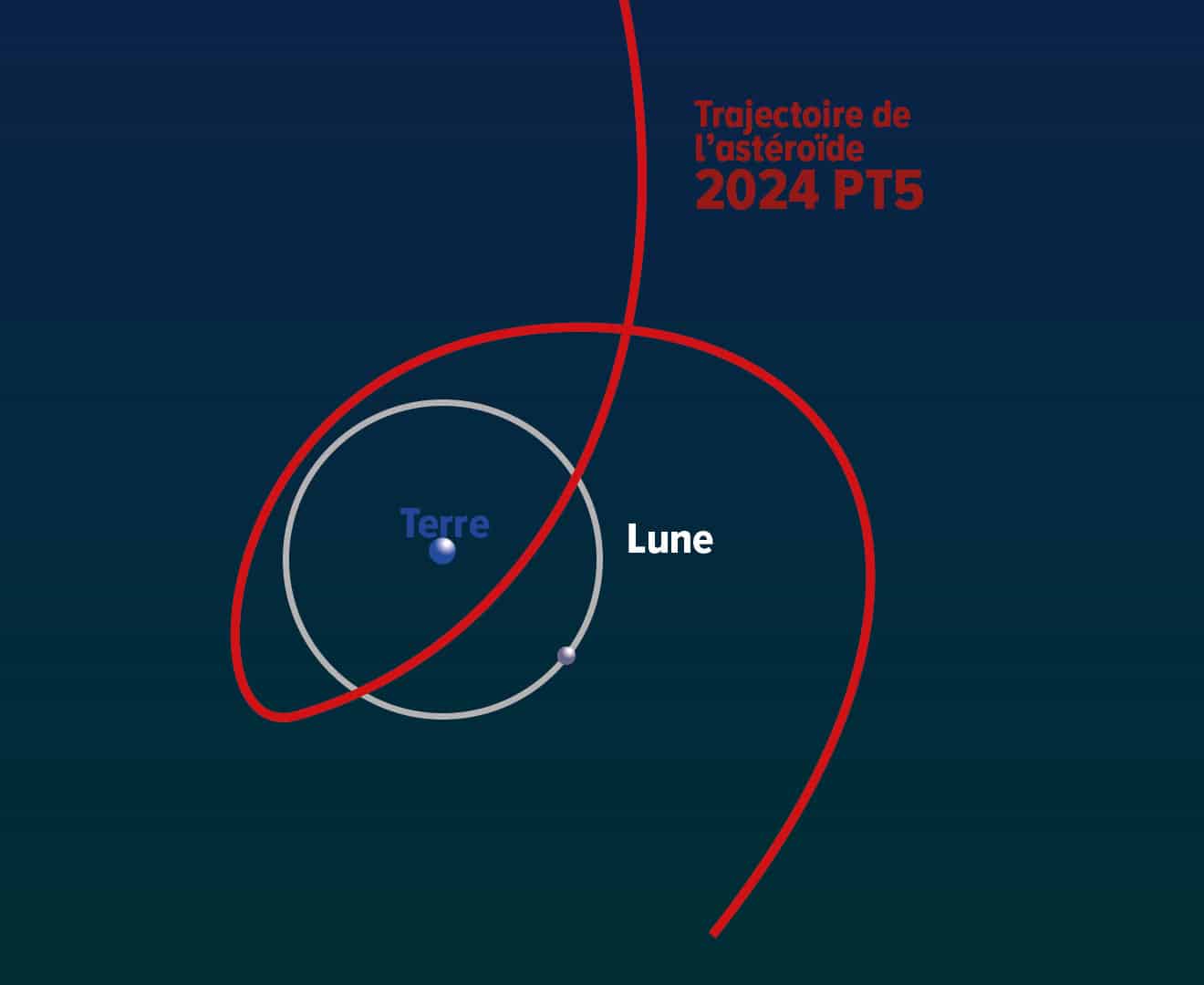
The 11 m asteroid will not achieve a complete orbit.
© Cité de l’espace

Why are we Talking About a “Second Moon”?

Asteroid 2024 PT5 will be captured by the Earth’s gravitational pull

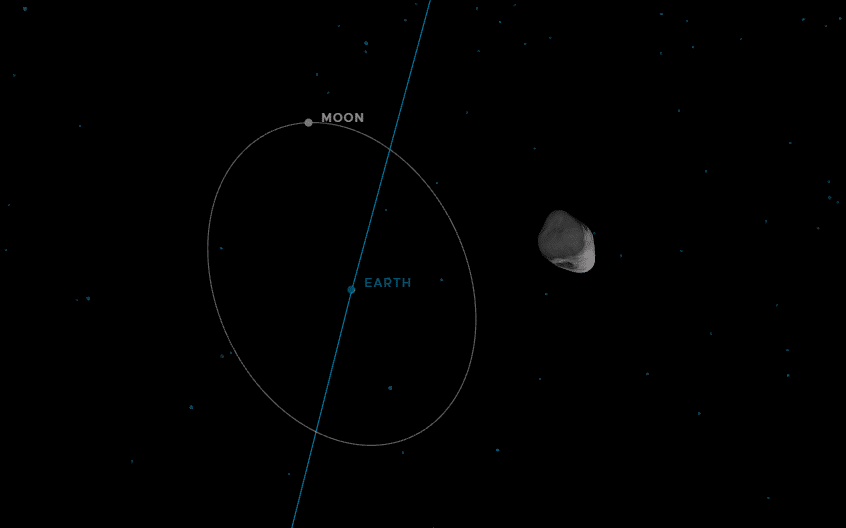
A moon is an object orbiting a planet. Our Moon is obviously the example we know best, but Mars, Jupiter and especially Saturn have several moons. The giant planet known for its rings has 145 moons revolving around it. In the case of asteroid 2024 PT5, its trajectory between September 29, 2024 9:54 p.m. and November 25, 2024 5:53 p.m. is making some people talk about the “Earth’s second moon”. In reality, the asteroid 2024 PT5 will not really achieve a complete orbit. It will penetrate what is called the  Hill Sphere, that is to say our planet’s area of gravitational influence. Its trajectory will be changed. 2024 PT5 will therefore come and give us a little bow before returning to the Arjuna belt. It should come back to greet us in early January. This second moon phenomenon is not unprecedented. It is estimated that it occurs about once every ten years, always with different objects.

 The 11 m asteroid will not achieve a complete orbit.
© Cité de l’espace
Invisible to the Naked Eye

The size of the asteroid is estimated at 11 m, the size of a bus. However, it is estimated that it should be located at a maximum of 4.5 million kilometres from Earth. Knowing how the Moon, which is located much closer, at an average of 384,400 km from the Earth and whose diameter is estimated at approximately 3475 km, appears to us we understand the immense difference between these two heavenly bodies. Therefore this object will not illuminate our nights early this autumn. Only astronomers equipped with telescopes at least 70 cm in diameter can hope to identify it.

Related articles