


• Exploration
  • Solar System

The Treasure of OSIRIS-REx Is Finally Accessible

Published on 16 January 2024

NASA teams succeeded in opening the receptacle containing the precious samples collected on the asteroid Bennu by the OSIRIS-REx probe and returned to Earth in September 2023.

The Treasure of OSIRIS-REx Is Finally Accessible

As we all know, space exploration is a school of patience! Thus, the American probe OSIRIS-REx (Origins, Spectral Interpretation, Resource Identification, Security, Regolith Explorer) took off from Florida on September 8, 2016, arrived in orbit around the Bennu asteroid at the end of December 2018 and collected samples from its surface on October 20, 2020. These were delivered to Earth on September 24, 2023, i.e. seven years after the start of the mission. And what’s more, we still had to wait…

A LARGER HARVEST THAN EXPECTED

NASA has often repeated that on the quantitative level the objective of OSIRIS-REx was to bring back to Earth 60 grammes of samples from the surface of the asteroid Bennu. On September 24, 2023, the successful arrival on Earth of the capsule hosting the samples constituted a first operational success . A little over two weeks later, on October 11, 2023, the American agency declared itself satisfied since examination of the contents of the capsule made it possible to assess that much more than 60 grammes had been obtained (250 grammes had been suggested with a possible error of 101 grams more or less). For its preliminary examination, the capsule was transported from the Utah desert where it arrived to the Johnson Space Center in Houston, which has facilities designed to deal with samples collected from outside our planet, a laboratory called the Astromaterials Curation Facility. 

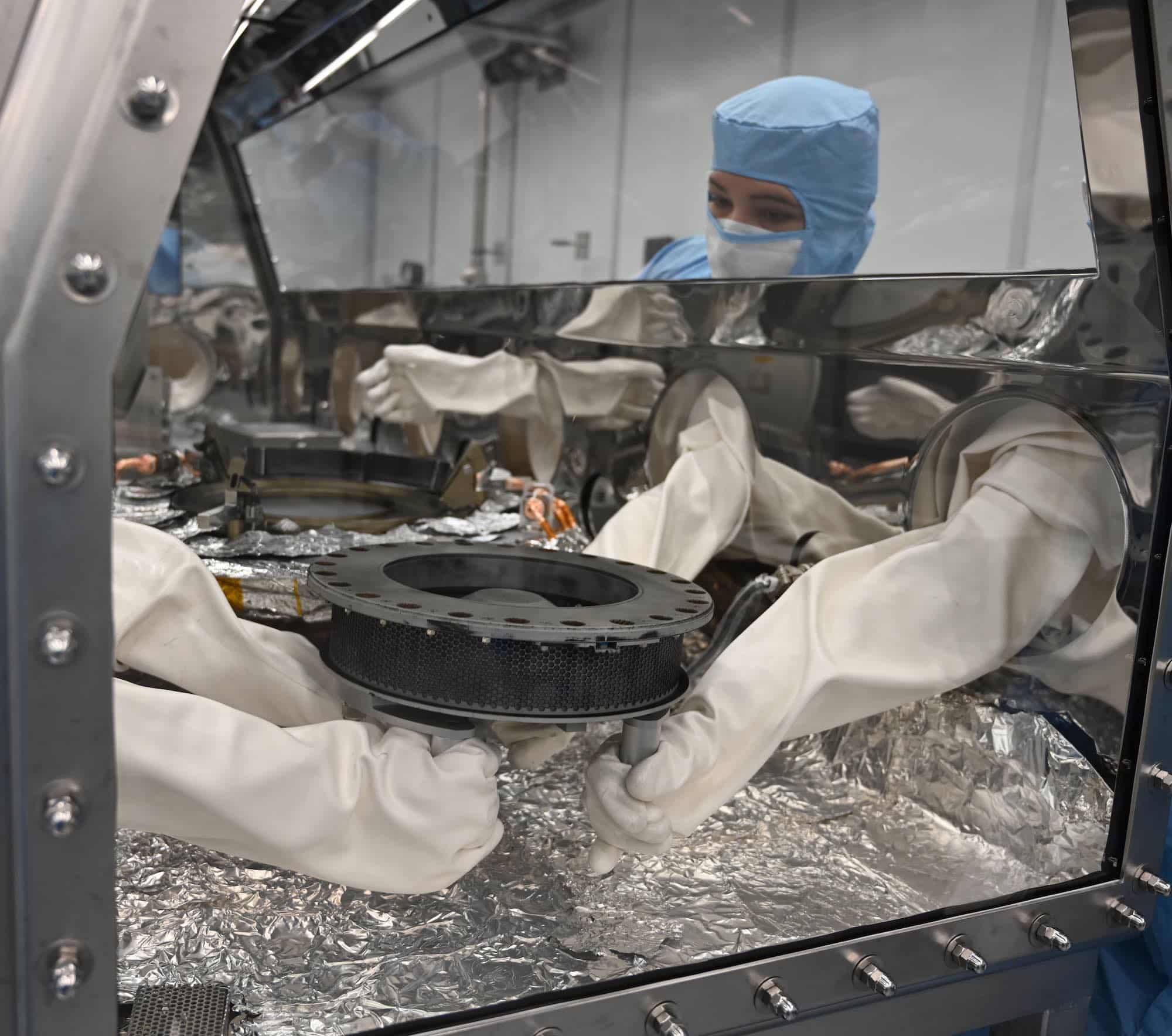
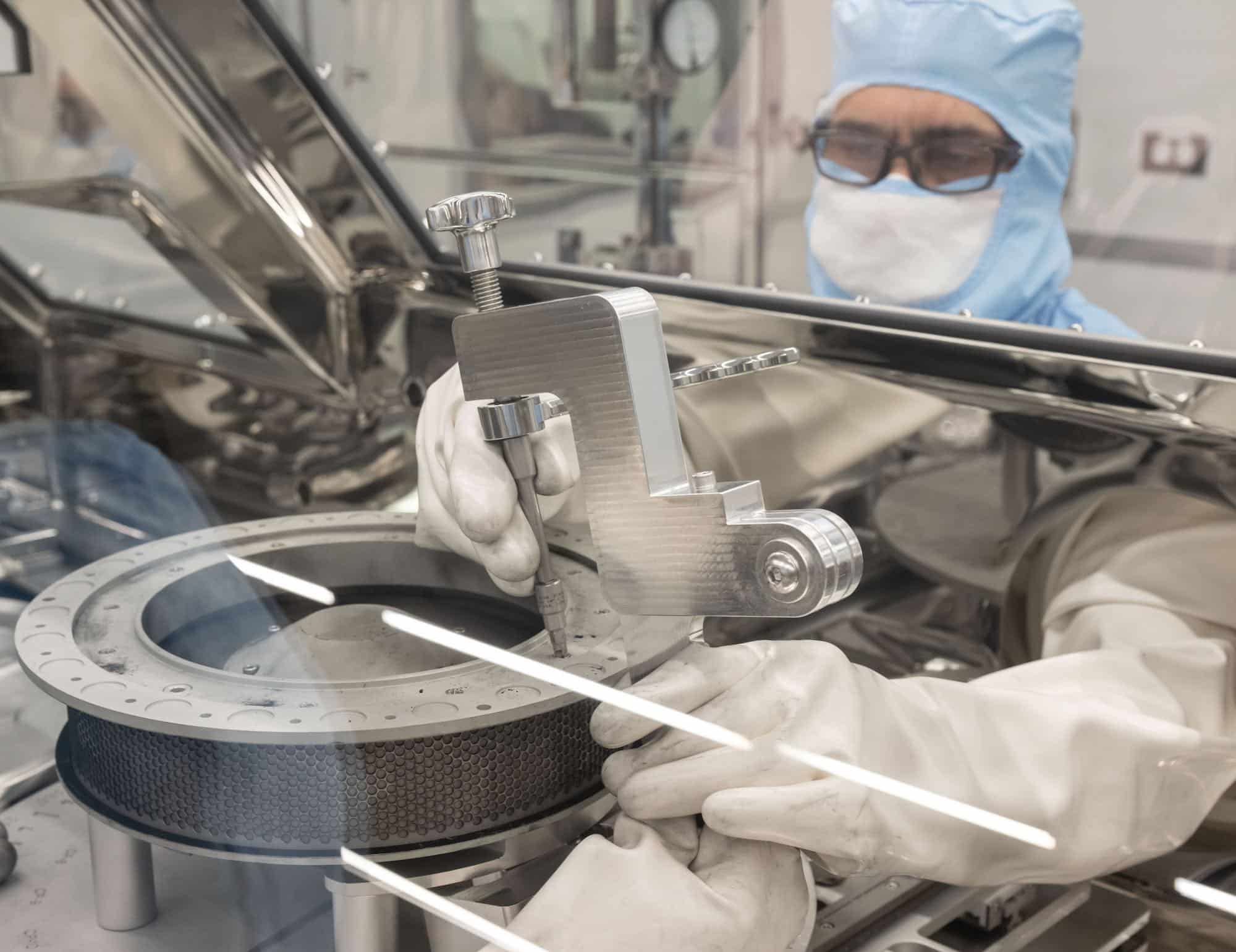
Inside the Astromaterials Curation Facility in Houston, handling, in a sterile enclosure, of TAGSAM: the harvesting device of the OSIRIS -REx probe which contains samples taken from the Bennu asteroid. Around its perimeter can be seen the screws, some of which caused problems.
© NASA/Erika Blumenfeld & Joseph Aebersold

But to proceed, TAGSAM (Touch And Go Sample Acquisition Mechanism) had to be opened, the astonishing circular device containing most of the harvest collected on Bennu. And at that point, everything did not go as planned.

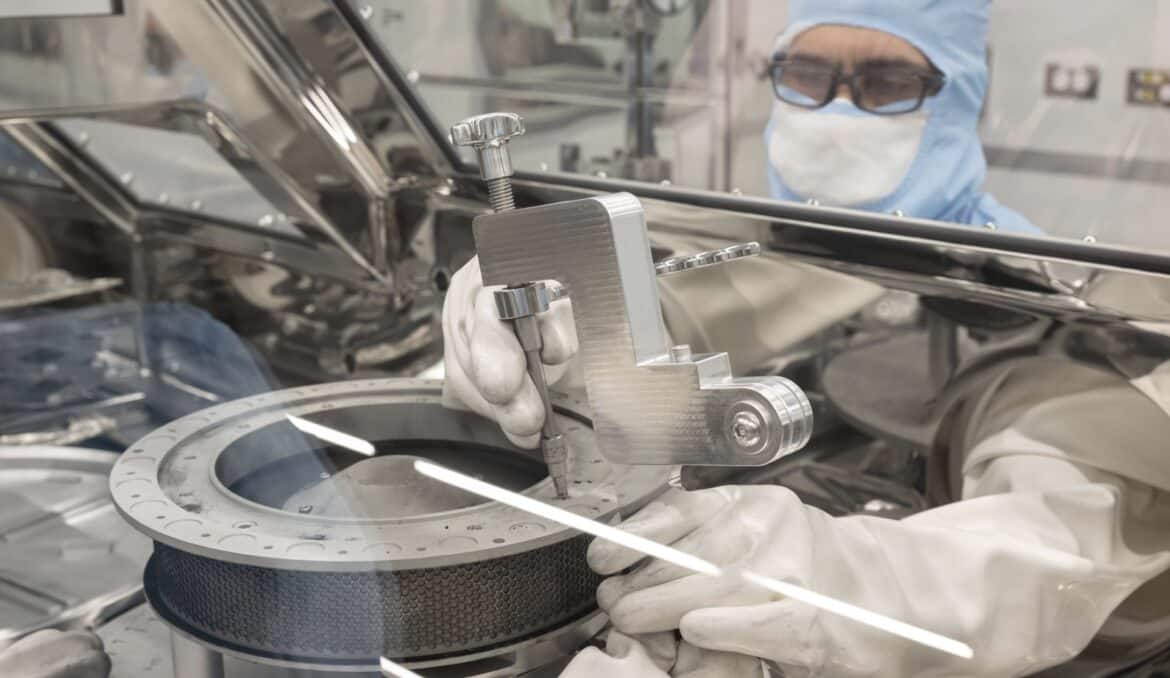
At the Johnson Space Center in Houston on January 10, engineer Neftali Hernandez using the specifically invented tool to remove stubborn screws from the TAGSAM.
© NASA/Robert Markowitz

TWO STUBBORN SCREWS

The images taken during the mission showed a surplus of samples. Examination of the capsule confirmed this and the teams from the Astromaterials Curation Facility had to first catalogue and collect dust and small debris from Bennu, a total of around 70 grammes (already more than the minimum objective). To access the content of TAGSAM itself, thirty-five screws had to be loosened, two of which resisted. However, all these operations take place in a sterile enclosure (to avoid contaminating the samples which would distort the studies) and the device is only handled using gloves. Moreover, there is no question of forcing the screws and risking rough handling of the samples, or “dirtying” them with any potential metal debris. A special tool, made of surgical steel, was therefore developed and tested beforehand. Carefully sterilised, it was then used on the “glovebox” housing the TAGSAM. The American agency indicated that on January 10, 2023 the stubborn screws had been removed. 

The technical and scientific teams now have access to the treasure brought back by OSIRIS-REx. Examining these samples will give us a more precise idea of how the planets and therefore the Earth were formed. (asteroids witnessed this period and have been little altered). We can also assess whether certain basic building blocks of life were provided by asteroid impacts. Furthermore, knowing these objects better is essential in order to set up diversion missions if one of them was on a collision course with Earth.

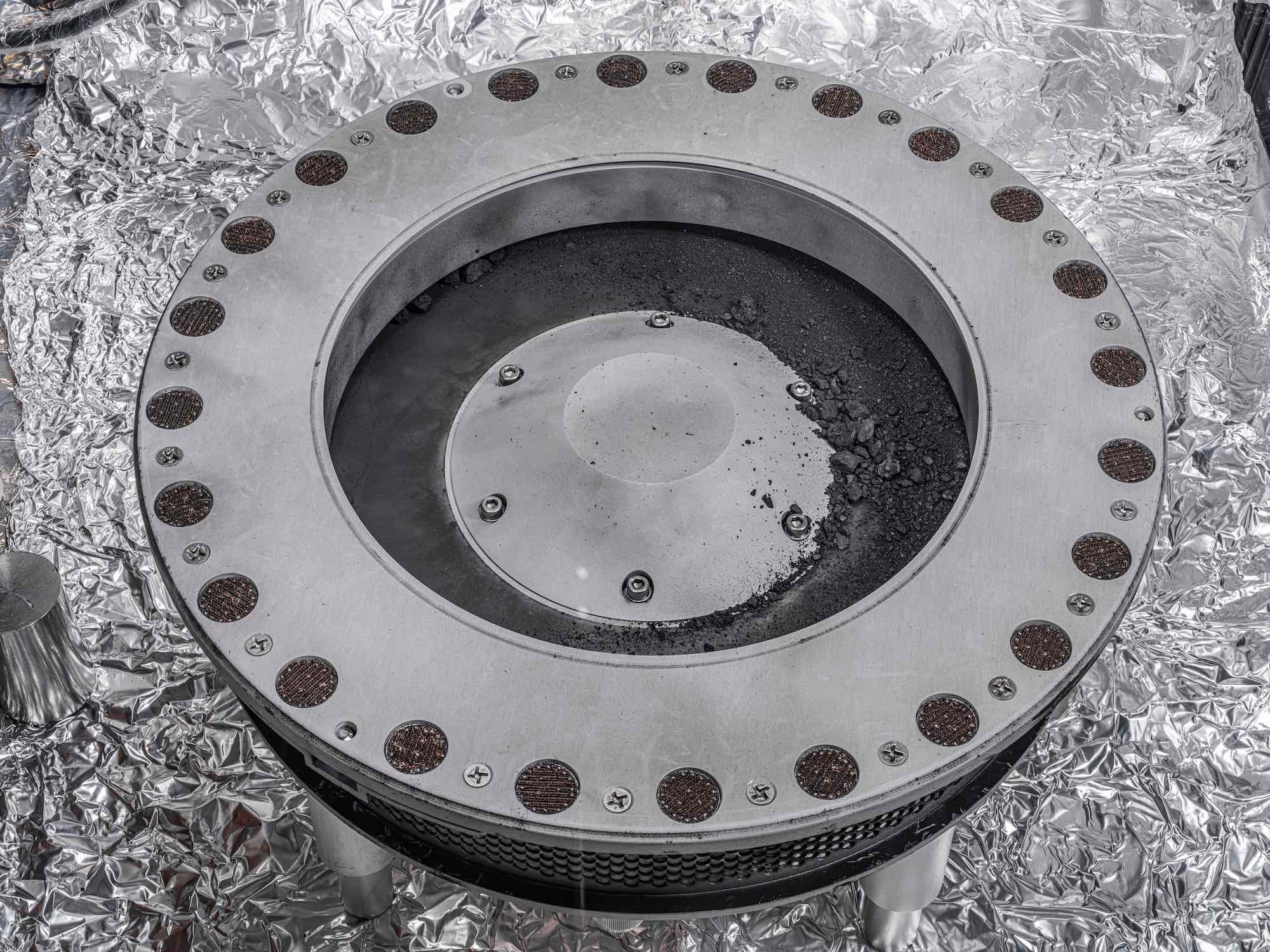
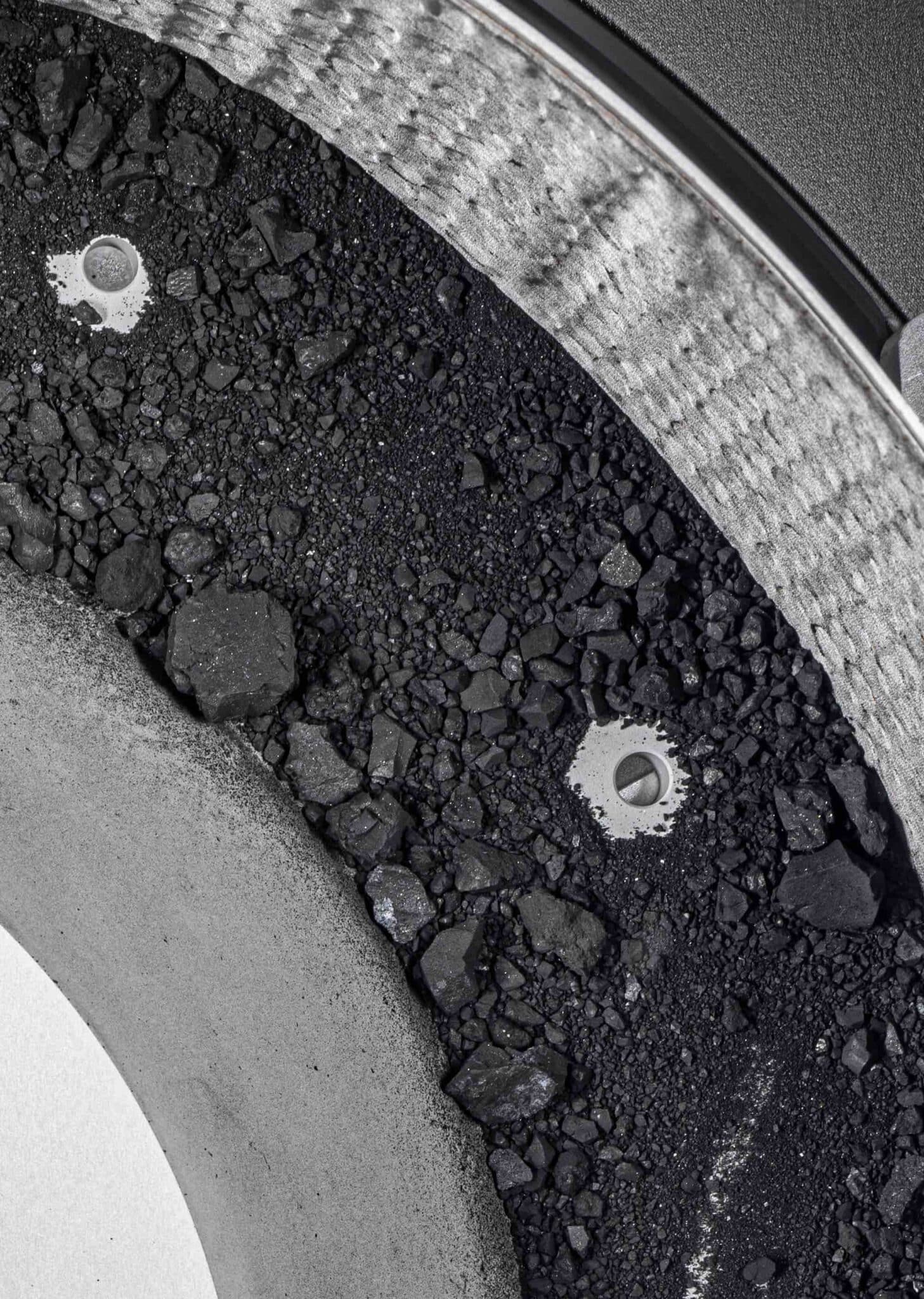
This photo, published by NASA on January 19, shows the contents of TAGSAM once it was finally opened thanks to the efforts mentioned in this article. We can see that many samples from Bennu have been collected.
© NASA/Erika Blumenfeld & Joseph Aebersold

February 26 update 

121 grams of science for today and tomorrow

After the successful opening of TAGSAM mentioned above, staff at the Astromaterials Curation Facility in Houston methodically extracted and cataloged the samples from the asteroid Bennu contained in this receptacle. And first of all, they were weighed for a total of 51.2 grams. This is in addition to the 70.3 grams previously obtained, because they “overflowed” from the sampling device (therefore accessible before it was opened). NASA clarified that all the Bennu samples brought back represented 121.6 grams (going to 121.6 while 70.3 + 51.2 = 121.5 is probably explained by the fact that the second number after the comma was not mentioned).

70% preserved for the future

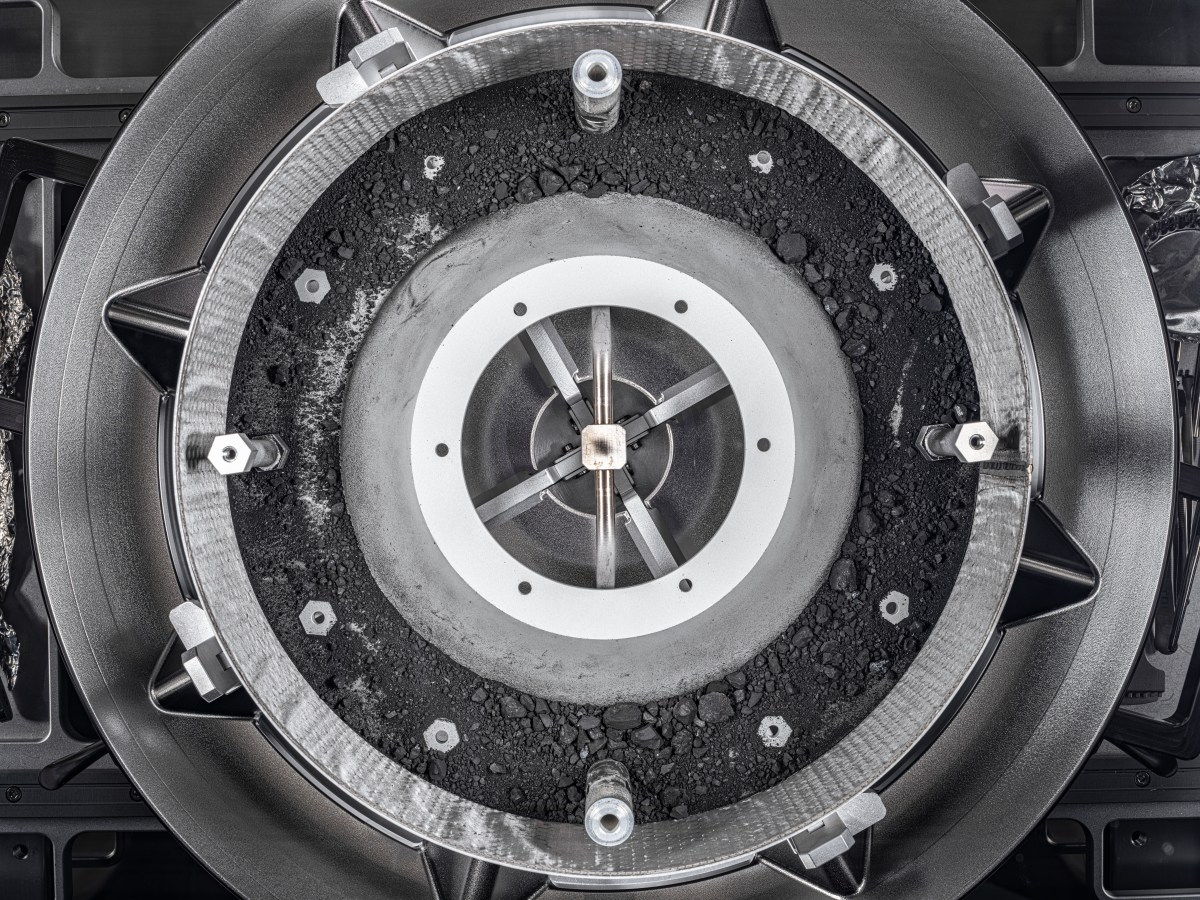
If these 121.6 grams are in the low range of the estimate before opening of TAGSAM, they still represent double the objective assigned to the OSIRIS-REx mission. In addition, some samples reach a centimeter in width. Their study will occupy today’s scientists for several years. However, the US agency will set aside 70% of this treasure to preserve it for future generations. The idea is that technological progress will allow more efficient examination methods. Tomorrow’s science will thus have access to unaltered Bennu samples.

Close-up of Bennu samples in TAGSAM. Some reach a centimeter in width.
© Cité de l’espace according to NASA/Erika Blumenfeld & Joseph Aebersold

Related articles